Long before ultra-realistic graphics, open-world adventures, or online multiplayer battles, there was a small spark—a tiny pixel of inspiration that would grow into an entire industry. And that spark came from a name that still makes retro gamers smile: Atari.
Close your eyes for a second. Imagine the soft glow of a wood-paneled console beneath your TV, the satisfying click of a joystick, and those blocky, beautiful graphics bouncing across the screen. That feeling? That’s Atari.
Where It All Began
The story starts in 1972, when two young visionaries—Nolan Bushnell and Ted Dabney—decided to mix engineering with a love for games. The result was a quirky little company named after a term from the Japanese game Go: Atari, meaning you’re about to capture your opponent’s stones. Bold, strategic, clever. A perfect fit.
Their first major hit was something deceptively simple: Pong. Just two paddles, one ball, and endless bragging rights. When Pong machines started popping up in bars and restaurants, people lined up to play. In one famous case, a machine broke—not because it was faulty, but because the coin box overflowed with quarters. Atari had created a phenomenon.
The Home Console Revolution
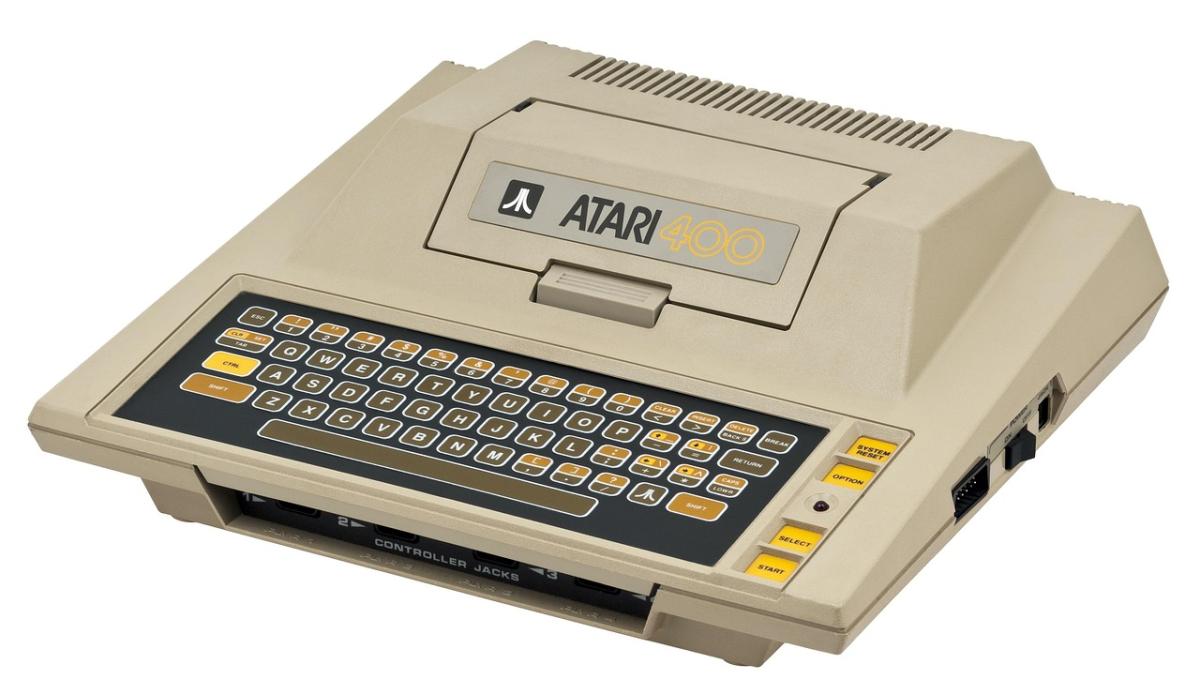
In 1977, Atari brought the arcade experience home with the Atari 2600. Suddenly families everywhere were swapping cartridges, battling aliens, and dodging pixelated boulders together in their living rooms. For many, the 2600 wasn’t just a console—it was a portal into a new world of imagination.
Games like Space Invaders, Adventure, Combat, and Pitfall! weren’t just entertainment; they were cultural touchstones. Anyone who grew up in the late ’70s or ’80s can still hear the beeps, see the bright colors, and feel the joystick in their hand.
The Crash That Shook the Pixels Loose
But like any great story, Atari’s history has its dramatic twists.
By the early ’80s, the market was overflowing with consoles and games. Some were great; others… not so much. Atari, in the frenzy to stay on top, pushed out rushed titles—including the infamous E.T. the Extra-Terrestrial, often blamed (a bit unfairly) for being one of the worst video games ever made.
In 1983, the video game market collapsed. Suddenly the industry Atari helped build came crashing down. For many, it felt like the lights of the arcade had gone out.
Rebirth, Reinvention, and the Magic That Lives On
Though Atari split, sold assets, and changed owners over the years, the name never disappeared. It resurfaced in computers, handhelds, new consoles, mobile games, and even modern nostalgia-powered projects.
More importantly, Atari’s influence never faded.
Every achievement unlocked, every high score beaten, every virtual adventure we play today can trace its roots back to those early days of Pong paddles and pixelated heroes.
Why Atari Still Matters
Atari wasn’t just a company. It was a feeling.
A chapter of childhood.
A spark that lit the fuse of an entire global industry.
It reminded the world that games could be simple, silly, challenging, or downright magical. And decades later, when we see that bold logo or hear that classic chiptune soundtrack, something inside us goes right back to where it all started.
Atari pressed “Start”—and the world has been playing ever since.

Atari Super Pocket
Product information
$88.48
Product Review Score
4.42 out of 5 stars
219 reviews